


Stucco Cracks 101: Hairline vs. Repair-Now Problems for Stucco Repair in Orange County
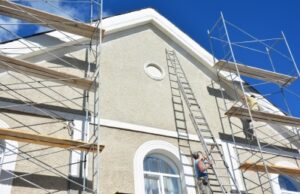 Not every line in stucco means trouble. But some do. If you own a home in Orange County, CA, you’ve likely seen tiny fissures appear after hot, dry Santa Ana winds or a cool, foggy week near the coast. This guide explains the difference between simple hairlines and repair-now cracks so you know when to bring in a pro for stucco repair in Orange County. Orange County Painting Pros is your local painting contractor, ready to help when you notice changes in your exterior.
What Counts As a Hairline Crack in Orange County
Hairline cracks are the thin, thread-like lines that often show up as a house settles or as the stucco cures. They’re typically very narrow and don’t show movement, crumbling edges, or moisture staining. In our climate, they’re common after dry, hot spells followed by cool evenings.
When a pro inspects, they look for consistency along the crack, firm stucco around it, and no color change that hints at water. On many Orange County homes, especially newer builds in Irvine or Ladera Ranch, hairlines tend to appear around window corners and long, sun-exposed walls.
Hairline Crack Basics
- Fine, uniform lines without edges flaking away
- No soft spots, staining, bulging, or rust marks around the crack
- Often linked to thermal expansion and normal settling
These are often candidates for coatings designed to bridge small gaps after proper prep. We’ll cover coatings in a moment.
Repair-Now Problems: Cracks That Need a Pro
Some cracks point to movement or water entry. These call for a qualified assessment, not wait-and-see. Don’t ignore stair-step or diagonal cracks that run from window and door corners. They often reflect stress points where water and movement concentrate.
Urgent Crack Indicators
- Diagonal or stair-step lines radiating from corners of windows, doors, or garage openings
- Wide or uneven gaps, edges crumbling, or chunks of finish missing
- Water stains, dampness, or efflorescence (white powdery residue) after a dry week
- Bulging or hollow-sounding areas near the crack
- Rust-colored streaks that can indicate corrosion at fasteners or lath
On older homes in Santa Ana, Fullerton, or Orange, historic stucco can develop fatigue around transitions and parapet caps. In hillside areas like Anaheim Hills, soil movement and thermal swings can stress walls. If you see a long, widening crack or any sign of moisture, call a professional right away.
Why Stucco Cracks Happen Around Orange County
Orange County’s microclimates create different stress patterns. Coastal homes in Newport Beach and Laguna Beach face salty air, marine layer moisture, and frequent breeze. Inland homes in Mission Viejo or Yorba Linda deal with hotter days and cooler nights, expanding and contracting the exterior. Over time, that movement shows up in the finish.
Coastal vs. Inland Conditions
Along the coast, salt and moisture can find their way into hairlines if the coating system is tired. Inland, rapid heating and cooling plus Santa Ana winds can dry surfaces quickly, encouraging small, map-like cracks. In both cases, stucco needs a protective coating and regular checkups to make sure tiny openings don’t turn into big repairs.
Elastomeric Stucco Paint vs. Standard Paint
Homeowners often ask about “elastomeric stucco paint.” These coatings are engineered to stretch more than standard exterior paint. When applied by a pro over a properly prepared surface, they can bridge many hairline cracks and help resist wind-driven rain.
It’s important to understand limits. Elastomeric coatings are not a structural repair. They don’t fix movement, rotten sheathing, or failed flashing. If a crack shows signs of moisture, rust, or movement, a professional should address the cause first. Then, a coating system can help protect the finish.
In coastal pockets like Corona del Mar, breathability matters. Pros choose systems that balance crack-bridging with vapor permeability so walls can dry out after foggy mornings. Inland, higher solar exposure calls for UV-resistant formulations and careful attention to expansion joints.
When to Skim or Patch Stucco
“When to skim/patch” depends on the pattern and scope of the cracking. A localized patch is often chosen when a single area has damage, like around a window corner or near a hose bib. Skim coating covers a larger field, creating a continuous new finish that blends texture and hides widespread hairlines.
Skim coats are common on long, sun-baked walls in places like Rancho Santa Margarita or Foothill Ranch, where fine crack networks appear across a broad area. Skim coating is best when hairlines are frequent and spread out rather than isolated. If cracking is deep or connected to moisture intrusion, a patch plus underlying repairs may come first, followed by a protective coating.
How Pros Decide: A Simple, Visual Framework
While every home is unique, trained eyes look for patterns. They consider climate exposure, age of the finish, and how the crack behaves under light and touch. The goal is to stop water from getting behind the system and to keep the wall looking uniform after the repair.
Here’s how a professional painting contractor like Orange County Painting Pros approaches it:
- Observe crack type and location, noting corners, penetrations, and control joints.
- Check for moisture indicators, soft areas, or surface chalking that may affect adhesion.
- Select repair strategy: localized patch for discrete damage, skim for broad hairlines, or additional evaluation if movement is present.
- Choose a coating system. For hairlines, elastomeric or high-build products can help bridge; for textured surfaces, products are matched to texture and breathability needs.
No two walls weather the same way. That’s why inspection matters before discussing finishes or textures.
Neighborhood Patterns You Might Recognize
Anaheim Hills and Lake Forest often show thermal-driven hairlines on long south and west walls. Older areas of Orange and Fullerton may show age-related cracking at plane changes. Along the coast in Newport Beach and Dana Point, wind and salt can lead to micro-cracking at parapets and chimney caps. Irvine’s HOA communities often aim for uniform texture across elevations, making a skim coat attractive when hairlines are widespread.
These aren’t hard rules. They’re regional tendencies that help frame what you’re seeing at your home.
Elastomeric Coatings: Good Uses and Limits
Elastomeric coatings shine when the substrate is sound and the cracks are small and stable. They add a flexible layer that resists wind-driven rain and helps keep hairlines closed to the eye. On stucco that’s chalky or compromised, pros will prepare the surface first, then consider a high-build or elastomeric system.
In shaded, coastal alleys or near sprinklers, coatings with strong mildewcides and good breathability help reduce staining and allow moisture to escape. Inland, high reflectivity and UV resistance can help surfaces stay cooler and slow down future hairline formation. The right match depends on your wall, exposure, and texture.
What Homeowners Can Watch For (Without DIY)
You don’t need to fix anything yourself, but you can keep notes to share with a pro. Quick observations save time and lead to better results.
- Where the crack starts and ends, especially near doors, windows, hose bibs, or light fixtures
- Any staining, dampness, or powdery white residue that returns after dry weather
- Changes in texture or bulging that suggest movement under the finish
- Whether overspray from sprinklers hits the wall regularly
Share this context during your appointment. It helps the crew plan the right repair and coating system for your home.
How Long Repairs Last in Orange County
Longevity depends on exposure, prep, product selection, and maintenance. Coastal homes face salt and wind. Inland homes face heat and UV. Regular cleaning, mindful irrigation, and timely repainting all help. The repair method matters too: a proper patch or skim, followed by the right coating, will outlast a quick cosmetic cover-up.
For broad hairlines on a sound wall, an elastomeric system can be a strong finishing layer after professional prep. For movement-related cracks, the underlying cause must be addressed for any fix to last.
Hairline vs. Repair-Now: A Plain-Language Recap
Hairlines are fine and stable, with no staining or soft areas. They’re often managed with surface prep and the right coating system. Repair-now problems show widening, chipping edges, rust marks, dampness, bulging, or hollow sounds. If it looks like water is getting in, act quickly. Fast action protects framing, insulation, and interior finishes.
Your Trusted Local Painting Contractor
Orange County Painting Pros serves neighborhoods across Orange County, CA. Our licensed crews understand the different needs of coastal and inland homes, match textures carefully, and recommend systems that protect your exterior. When you’re comparing options like “elastomeric stucco paint” or wondering “when to skim/patch,” we explain the tradeoffs in plain terms so you can choose with confidence.
If you’re noticing new lines after hot weather or onshore fog, schedule a quick assessment. We’ll inspect, explain what we see, and outline a stucco repair plan that fits your home and timing.
Ready For Clear Answers And A Clean Finish?
Talk with a local expert at Orange County Painting Pros today at 949-929-2763, or schedule professional stucco repair so your Orange County exterior looks uniform and resists the next round of wind, heat, and fog. If you suspect moisture intrusion, don’t wait for the next rain cycle.